The Unrested Mind
dotBeat is an ad-free ukulele learning platform built by someone just trying to find the beat.
The $5 Sandwich Dilemma
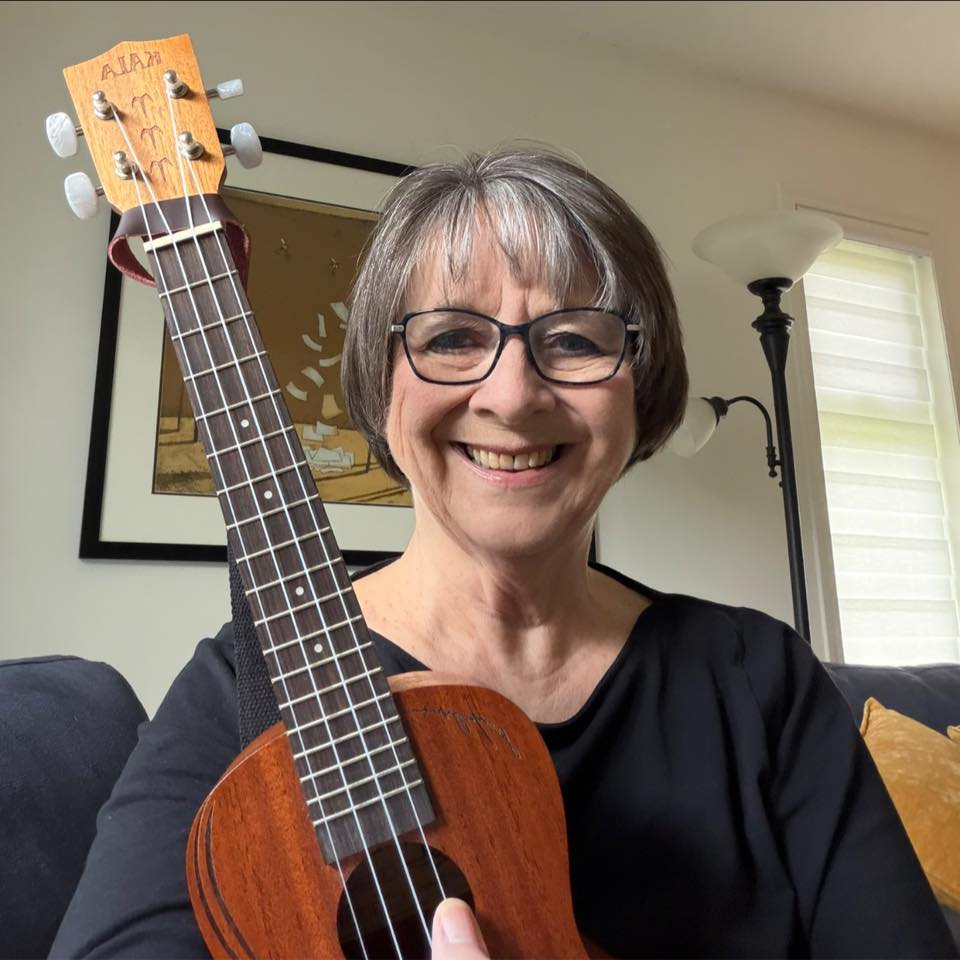
There is a lovely seniors’ centre in my town. It’s full of world-class bridge players and very sensible $5 sandwiches. By all accounts, I should be there, winding down and taking up a “gentle” hobby. I haven’t yet tried to join the bridge group, but I will - when I’ve mastered the Stayman! Instead, I’m at a dual-monitor setup at 5:00 AM, caffeinated and squinting at a logic loop.
I don’t think I have a “condition” that needs managing, but I definitely have unspent momentum. After 23 years managing federal databases where a misplaced comma could break the system, my head doesn’t really have an “off” switch. dotBeat is what happened when that momentum met an hour long search for a printable, free, G Scale chord sheet.
The “Invisible Rhythm” Mystery
This project started because I was tired of being a musical detective. I’d open a chord sheet for a song I didn’t know and stare at a ‘C’ and a ‘G7’ with no clue how to actually pulse the thing.
I tried the “standard” route:
- The YouTube Rabbit Hole: Watching videos where I couldn’t “un-hear” the singing long enough to isolate the strumming.
- The Piano Plunk: Sitting at a keyboard trying to manually decode the timing like a forensic investigation.
I realized that for many of us, the rhythm was invisible. I wanted to pin it down. So, I traded the government filing cabinets for a neon-coloured digital studio.
Beginner Hands, Teacher Brain
I am still very much a beginner on the ukulele, but I am not a beginner at learning. I have some formal training in instructional design, and I spent a couple of years developing curriculum for CDI College before moving into data management.
That work taught me how to break complex systems into smaller, usable steps for adult learners. The Rhythm Path is where those adult-education instincts show up most clearly: short steps, visible goals, and enough structure to keep momentum without making practice feel like homework.
"Vibe Coding" with a Side of SQL
I’ve become a “Vibe Coder.” That sounds fancy, but it just means I use a team of slightly erratic robots (ask me about my “ADHD Teenager” coding agents sometime) to build tools that feel right.
But don’t let the “vibe” fool you. Behind every dotBeat on this screen is a 20-year audit trail of logic and a stickler’s devotion to accuracy. This is an ad-free, solo project fuelled by coffee and the joy of making the “invisible” rhythm loud and clear.
Now - back to strumming!
If this tool saved you from a musical headache, feel free to keep the code flowing.
☕ Buy me a coffeeCredits & acknowledgements
dotBeat draws on several external sources for song metadata, tempo, key, and playback. Thank you to each of these services.
-
Tempo (BPM) and musical key data for songs in the dotBeat catalog is sourced from the GetSongBPM API. GetSongBPM is a free online tool for finding the tempo and key of any song.
-
Synchronized lyric timing data used to generate in-song anchor cues is sourced from LRCLIB, a free and public LRC lyrics library.
-
Song and artist metadata is sourced from MusicBrainz, a community-maintained open music encyclopedia available under the Creative Commons license.
-
Chord progression and music theory data is sourced from the Hooktheory API and Hooktheory Theorytab database.